
Literatura y crítica
Amor, adulterio y sexo en el teatro
La Poética de Luzán

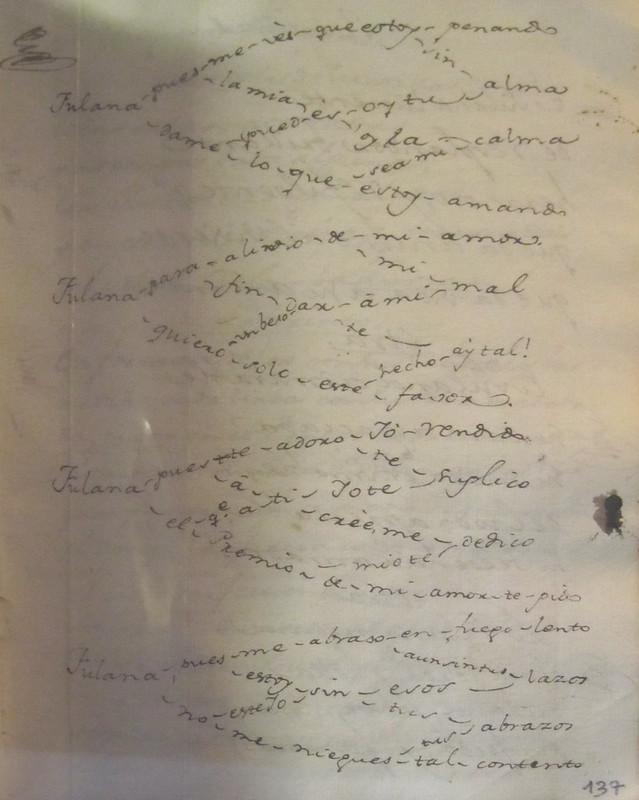
Poema oulipiano a Fulana
ueves, 12 de junio de 2014
On Experimental and Postmodern Fiction
jueves, 12 de junio de 2014
Miserias de la guerra (Las Saturnales)
sábado, 7 de junio de 2014
Miserias de la Guerra

A cuenta del último sarpullido de fervor republicano, me acordé de un articulillo que tenía escrito sobre la última novela de Baroja, que es más reciente de lo que podría parecer. Se publicó para el 70 aniversario de la guerra civil, y entonces me la leí. En ella presenta el panorama de Madrid durante la República frentepopulista y la guerra, una visión bastante negativa por ponerlo suavemente. Ligeramente expandido y repulido va a parar el artículo a mis repositorios, y hasta lo aceptan en un par de revistas electrónicas del SSRN—redes sobre filosofía política y conflictos, porque literatura española allí no estudian. Aquí tampoco estudian mucha—si no, se entendería mejor que una revolución es una guerra. Y nos acordaríamos mejor de los bichos que salen debajo de las piedras cuando las remueven revoluciones y guerras.
'Miserias de la Guerra' de Pío Baroja: Una desilusión con el mundo y con España
http://ssrn.com/abstract=2446804
Presentamos en este artículo un comentario de la estética narrativa y de la ideología de la novela póstuma de Pío Baroja 'Miserias de la guerra: Las Saturnales', que quedó inédita en 1951 y fue publicada tardíamente en 2006, cincuenta años tras la muerte del autor. En ella Baroja da un retrato del Madrid republicano durante la guerra civil y proporciona una visión negativa y pesimista de la realidad española.('Miseries of War' by Pío Baroja: A Disillusion with the World and with Spain)
English abstract: This paper presents a commentary of the narrative aesthetics and the ideology of the posthumous novel by Pío Baoja 'Miseries of War: The Saturnalia', which remained unpublished in 1951 and published posthumously in 2006, fifty years after the author's death. In this work Baroja presents a portrait of Republican Madrid during the civil war, and provides a negative and pessimistic view of the Spanish reality. Note: Downloadable document is in Spanish. Number of Pages in PDF File: 9
There is no Spanish literature network in the SSRN—due to some chauvinistic reason, the Literature network is devoted exclusively to English-language literatures. But the paper has been accepted for distribution in other networks (Date posted: June 06, 2014):
| eJournal Classifications | Message |
Conflict Studies eJournals | Scheduled in Conflict Studies: Intra-State Conflict eJournal June 23, 2014 |
| Conflict Studies eJournals | Scheduled in Conflict Studies: Effects of Conflict eJournal June 11, 2014 |
| PRN Subject Matter eJournals | Added to eLibrary |
Este artículo sobre Miserias de la guerra: Las Saturnales también está en Academia — https://www.academia.edu/7253162/
y en ResearchGate: https://www.researchgate.net/publication/262829095
What Ceremony Else
jueves, 5 de junio de 2014
What Ceremony Else
A passage from Christopher Rush's biographical fiction on Shakespeare,Will (2007). It is a novel much possessed by death, as it is structured around a conversation with his lawyer concerning Will's final will and testament, and his life now all past and no future. But there are many other deaths to go through before the final one. Here (ch. 47) Shakespeare reminisces on the death of his son Hamnet—and on the traces it left in his work. Such traces are not in the least explicit: there is no elegy "On the Death of My Only Son", something which has bothered a number of scholars. Here Shakespeare resumes work after the child's burial.
When I finally came back to my lodgings in St Helen's, I clumped heavily upstairs to find the script of King John scattered on the table just as I'd left it. I leafed through the pages till I came back to Act Three Scene Four, where Constance, bereft of her boy, takes comfort from the Cardinal that we shall see and know our friends in heaven. 'If that be true,' she says, 'then I shall see my boy again.'
The ink in the pot had dried up in the sweltering August heat. The room smelt foul and was like an oven. I opened the shutters to let London in again, re-filled the inkpot, and with three strokes of the pen scored out the scene. Then I sat down and re-wrote it on the spot. This time the distraught mother found no confort in the golden words of the church. As I wrote, I recalled those four empty walls in Henley Street that used to echo with his laughter and prattle.
Stuffs out his garments. I was remembering that little pile of clothes. And how I'd sat for hours in Stratford, turning them over and over, holding them up, crushing them to my lips. My own garments were stuffed out now with a stranger. I caught a sudden sight of myself in the glass. A ghost had come back to Bishopsgate to carry on the life of work and worry. There was nothing left for him to do. I knew he would throw himself into it, reap the rewards, bask in the glory, the honour, the fame. All of which he did. But he carried a long sorrow for his son and these were not the last lines he wrote for him. He spoke to him in his verses many a time to come. That's what the death of your nearest and dearest does to you, Francis — estranges you from yourself, from life. After the funeral you look at the world like the moon, with that vacant stare, and no one sees or knows what's on the other side.
Ben Jonson's son died too, of the plague, seven years later (the child was seven at the time). I poured drink into Ben that night.
'His life may have been cut short, Ben — but in short measure life may perfect be.'
He looked at me with red eyes. And later stole the line when he lost a daughter and penned her an elegy. Never missed a trick, old Ben. But for his son he wrote a touching little lament of his own: Farewell, thou child of my right hand, and joy — my sin was too much hope of thee, loved boy.
My own sin had been the opposite. I hadn't thought of him enough. Not after that day I'd left him on Clopton Bridge. At least Ben Jonson didn't have that guilt to live with. But I buried my guilt between many lines. Ben's grieving love deserves to stand out clear.
It was nicely turned, don't you think, that verse of Ben's? But I don't believe Ben turned back to it after that. He moved on. Maybe I moved on too, or seemed to. But it didn't stop me, couldn't stop me turning back. Grief in its fullness doesn't always erupt at the time of death. It may take years to blossom, to burst into those blackest blooms of the heart. The black bile was always threatening me anyway, but Hamnet always kept it at bay, even when I only thought of him. And when I saw him, all too seldom, he cured in me thoughts that would thick my blood, with his child's matter made a summer's day short as a winter solstice. After he died came bleak December everywhere, every day; and every day after that, somewhere in every single day that followed, I felt the chill of that one awful day that would never go away. Every chill was that same chill, every day was that same day, the day we buried him.
What ceremony else? That's what I really wanted to shout at them that day, remembering my sister all over again, and those maimed rites. What ceremony else? The old rites were gone that could have comforted. We therefore commit his body to the ground. Therefore. It follows. Because we can no longer sing him to the saints with sage requiem and ministers of grace. Because we have taken away your old rituals, and therefore something of your beliefs too — for even beliefs are made of words.
Which leaves you with what? With a private knot of pain. Goodnight, sweet prince, I wanted to whisper — and flights of angels sing thee to thy rest. But no more of that, if you please. Forasmuch as it hath pleased almighty God to take unto himself the soul of our dear brother here departed, we therefore commit his body to the ground, earth to earth, ashes to ashes, dust to dust, in sure and certain hope of the resurrection to eternal life thorugh Jesus Christ our Lord. Sure and certain? Nothing was sure and certain any more. They didn't even call him by his name, didn't even use a personal pronoun. Not a 'thou' was spoken. Dear brother? What brother? What impersonal being was that? Dear God, he was my son, my only son. They were throwing on the earth, closing up the grave, shutting off communion, sundering me from my dead child with their Puritan words, hammered like cold nails into his coffin. Must there no more be done? Can't we help them on, our lost lovely dead? Can't they be allowed to call out to us, to help us too, the ones that mourn? Can't we communicate? Must the bond be broke so entirely by death, and the starkness of that cold ground, those inflexible words? No, the dead boy is not in heaven, he is in the earth, he's dead, dead and rotten.
That's what you're left with on that terrible day, worse than the wrath of God. Dies irae? God's anger would be acceptable, divine ire heaped on your head, better than that emptiness, that coldness in the soul, and that rebellious anguish that makes you cry out in the bitterness of your heart. No, no, no life! Why should a dog, a horse, a rat, have life, and thou not breath at all? Thou'lt come no more. That's the closest words can come to expressing the pain of child loss. And ten years later, in Lear, the pain was still going on.
It went on in play after play. Sebastian was plucked from the waves and restored to his twin sister, Viola, the sea of troubles turning to salt waves fresh in love, in my troubled mind. And Leontes sees the dead brought back to life, a miracle before his eyes, and all pain subdued. But not the son, not Mamillius. The son never comes home again. Good night, sweet prince. It's the father's fault, always the father's fault. John Shakespere's time was unjointed and I'd to set it right, an absent father, and I must be from thence, and Hamnet's life the price, aye, Will, lay thee down and roar.
So he died over and over as I lived on and wrote on and on, died in every play that filled up the space he'd left. He couldn't stop dying, even in the days of my best success. He had to keep on dying because I had to keep on burying him, laying him to rest — not in shattered Catholic rites but in the only rituals left to me, the theatre, the ones that plays provided. They could never take that away from me. What ceremony else? The play, of course, the play's the thing, once more, over and over again. It was a public burial, never ending, pulling in mourners from the globe, from the ends of the earth, but it was also deeply private too, it was that paradox of the self that only the player knows.
When I finally came back to my lodgings in St Helen's, I clumped heavily upstairs to find the script of King John scattered on the table just as I'd left it. I leafed through the pages till I came back to Act Three Scene Four, where Constance, bereft of her boy, takes comfort from the Cardinal that we shall see and know our friends in heaven. 'If that be true,' she says, 'then I shall see my boy again.'
The ink in the pot had dried up in the sweltering August heat. The room smelt foul and was like an oven. I opened the shutters to let London in again, re-filled the inkpot, and with three strokes of the pen scored out the scene. Then I sat down and re-wrote it on the spot. This time the distraught mother found no confort in the golden words of the church. As I wrote, I recalled those four empty walls in Henley Street that used to echo with his laughter and prattle.
Grief fills the room up of my absent child,
Lies in his bed, walks up and down with me,
Puts on his pretty looks, repeats his words,
Remembers me of all his gracious parts,
Stuffs out his vacant garments with his form.
Lies in his bed, walks up and down with me,
Puts on his pretty looks, repeats his words,
Remembers me of all his gracious parts,
Stuffs out his vacant garments with his form.
Stuffs out his garments. I was remembering that little pile of clothes. And how I'd sat for hours in Stratford, turning them over and over, holding them up, crushing them to my lips. My own garments were stuffed out now with a stranger. I caught a sudden sight of myself in the glass.
A ghost had come back to Bishopsgate to carry on the life of work and worry. There was nothing left for him to do. I knew he would throw himself into it, reap the rewards, bask in the glory, the honour, the fame. All of which he did. But he carried a long sorrow for his son and these were not the last lines he wrote for him. He spoke to him in his verses many a time to come. That's what the death of your nearest and dearest does to you, Francis — estranges you from yourself, from life. After the funeral you look at the world like the moon, with that vacant stare, and no one sees or knows what's on the other side.Ben Jonson's son died too, of the plague, seven years later (the child was seven at the time). I poured drink into Ben that night.
'His life may have been cut short, Ben — but in short measure life may perfect be.'
He looked at me with red eyes. And later stole the line when he lost a daughter and penned her an elegy. Never missed a trick, old Ben. But for his son he wrote a touching little lament of his own: Farewell, thou child of my right hand, and joy — my sin was too much hope of thee, loved boy.
My own sin had been the opposite. I hadn't thought of him enough. Not after that day I'd left him on Clopton Bridge. At least Ben Jonson didn't have that guilt to live with. But I buried my guilt between many lines. Ben's grieving love deserves to stand out clear.
Rest in soft peace, and asked, say here doth lie
Ben Jonson his best piece of poetrie,
For whose sake henceforth all his vows be such,
As what he loves may never like too much.
Ben Jonson his best piece of poetrie,
For whose sake henceforth all his vows be such,
As what he loves may never like too much.
It was nicely turned, don't you think, that verse of Ben's? But I don't believe Ben turned back to it after that. He moved on. Maybe I moved on too, or seemed to. But it didn't stop me, couldn't stop me turning back. Grief in its fullness doesn't always erupt at the time of death. It may take years to blossom, to burst into those blackest blooms of the heart. The black bile was always threatening me anyway, but Hamnet always kept it at bay, even when I only thought of him. And when I saw him, all too seldom, he cured in me thoughts that would thick my blood, with his child's matter made a summer's day short as a winter solstice. After he died came bleak December everywhere, every day; and every day after that, somewhere in every single day that followed, I felt the chill of that one awful day that would never go away. Every chill was that same chill, every day was that same day, the day we buried him.
What ceremony else? That's what I really wanted to shout at them that day, remembering my sister all over again, and those maimed rites. What ceremony else? The old rites were gone that could have comforted. We therefore commit his body to the ground. Therefore. It follows. Because we can no longer sing him to the saints with sage requiem and ministers of grace. Because we have taken away your old rituals, and therefore something of your beliefs too — for even beliefs are made of words.
Which leaves you with what? With a private knot of pain. Goodnight, sweet prince, I wanted to whisper — and flights of angels sing thee to thy rest. But no more of that, if you please. Forasmuch as it hath pleased almighty God to take unto himself the soul of our dear brother here departed, we therefore commit his body to the ground, earth to earth, ashes to ashes, dust to dust, in sure and certain hope of the resurrection to eternal life thorugh Jesus Christ our Lord. Sure and certain? Nothing was sure and certain any more. They didn't even call him by his name, didn't even use a personal pronoun. Not a 'thou' was spoken. Dear brother? What brother? What impersonal being was that? Dear God, he was my son, my only son. They were throwing on the earth, closing up the grave, shutting off communion, sundering me from my dead child with their Puritan words, hammered like cold nails into his coffin. Must there no more be done? Can't we help them on, our lost lovely dead? Can't they be allowed to call out to us, to help us too, the ones that mourn? Can't we communicate? Must the bond be broke so entirely by death, and the starkness of that cold ground, those inflexible words? No, the dead boy is not in heaven, he is in the earth, he's dead, dead and rotten.
That's what you're left with on that terrible day, worse than the wrath of God. Dies irae? God's anger would be acceptable, divine ire heaped on your head, better than that emptiness, that coldness in the soul, and that rebellious anguish that makes you cry out in the bitterness of your heart. No, no, no life! Why should a dog, a horse, a rat, have life, and thou not breath at all? Thou'lt come no more. That's the closest words can come to expressing the pain of child loss. And ten years later, in Lear, the pain was still going on.
It went on in play after play. Sebastian was plucked from the waves and restored to his twin sister, Viola, the sea of troubles turning to salt waves fresh in love, in my troubled mind. And Leontes sees the dead brought back to life, a miracle before his eyes, and all pain subdued. But not the son, not Mamillius. The son never comes home again. Good night, sweet prince. It's the father's fault, always the father's fault. John Shakespere's time was unjointed and I'd to set it right, an absent father, and I must be from thence, and Hamnet's life the price, aye, Will, lay thee down and roar.
So he died over and over as I lived on and wrote on and on, died in every play that filled up the space he'd left. He couldn't stop dying, even in the days of my best success. He had to keep on dying because I had to keep on burying him, laying him to rest — not in shattered Catholic rites but in the only rituals left to me, the theatre, the ones that plays provided. They could never take that away from me. What ceremony else? The play, of course, the play's the thing, once more, over and over again. It was a public burial, never ending, pulling in mourners from the globe, from the ends of the earth, but it was also deeply private too, it was that paradox of the self that only the player knows.
—oOo—